Today's WSJ has a solid long feature on the struggles in the bourbon business. I'll put a pretty long extract here, given the fan base.
LOUISVILLE, Ky.—The beating heart of Kentucky’s bourbon country sits inside a towering building that bills itself as “The Hardest Working Still in America” in large white letters. It can churn out a barrel of Jim Beam whiskey roughly every 93 seconds.
Since January the 65-foot-tall still has been on a break. And that break is slated to last until at least 2027.
Across the roughly 430-acre campus south of Louisville, warehouses are jam-packed with barrels full of dark-brown liquor that may not have buyers. Distillery workers have been reassigned to bottling, and the company is experimenting with new ways to sell its bourbon, including pushing flavored varieties. Jim Beam, which predates the Civil War and weathered Prohibition—and is now owned by Japan’s Suntory Holdings—is fighting through another downturn....
The birthplace of bourbon is swimming in it. The rolling, forested hills of Kentucky’s bourbon country are ground zero for the slowdown afflicting the U.S. alcohol industry. Distilleries of all sizes have laid off staff, or shut down altogether. Even barrel suppliers are feeling it.
More Americans are joining the ranks of the sober-curious, and inflation has prompted some steady drinkers to cut back. GLP-1 weight-loss drugs are having the same effect. Cannabis and THC beverages are widely available, offering a hangover-free buzz. And the Trump administration’s trade wars have dented U.S. alcohol exports.
Most industry players didn’t see the collapse coming. It all started during the Covid-19 pandemic, when Americans heavily stocked their bar carts during lockdowns with bourbon and other spirits....
Kentucky is sitting on roughly 16.1 million barrels of bourbon—the equivalent of around 300 million cases—according to the Kentucky Distillers’ Association. That’s the largest reserve ever, enough to last as much as 10 years, according to industry estimates....
The recent bourbon craze kicked off in 2010, when a resurgent cocktail culture helped elevate the Old Fashioned and craft drinks in bars from London to Los Angeles....
Craft bourbon brands built buzz in speakeasies like Louisville’s Hell or High Water, and whiskey influencers started popping up online....
Under U.S. law, bourbon must be distilled from a mix of grains containing at least 51% corn, and aged in new, charred barrels of oak. Kentucky bourbon must physically be aged in that state for at least a year.
Barrel making is a big business. But like distillers, some of the makers of those barrels are struggling to find buyers for their products.
The barrels that cooperages across the country produce for bourbon-makers no longer fetch the prices they once did. At the peak—in 2023 and 2024—distillers were paying upward of $285 per barrel. Since then, prices have dropped significantly, industry players say....
Woodford Reserve maker Brown-Forman is cutting back too. The company, which got its start as a distiller in 1870 in Louisville and is best known for its Jack Daniel’s Tennessee Whiskey, said last year would lay off 12% of its 5,400-person workforce in response to weakening sales.
The cuts were supposed to yield $70 million to $80 million in savings. In a recent investor call, the company said that it was still feeling the pain of Americans pinching pennies, along with plummeting prices for barrels it sells to other spirit makers.
In Louisville, Brown-Forman closed the cooperage that made barrels to house its spirits, which also include Old Forester bourbon. The company said it planned to get more than $30 million from the sale of the cooperage.
Brown-Forman has also considered a more drastic measure: merging....
To weather the alcohol business’s current downturn, Jim Beam is taking a page from the Prohibition era.
During the U.S. government’s nearly 14-year federal ban on alcoholic beverages, James Beauregard Beam took a shot at coal mining and citrus production. With alcohol consumption ebbing again, the brand is now experimenting with a zero-alcohol citrus cocktail it calls Citrus Sin—in homage to Beam’s Prohibition-informed philosophy that not promoting agriculture and community employment was a sin.
Jim Beam is trialing the drinks at Formula One car races across the world. It is the first time since Prohibition that an alcohol-free product has carried the Jim Beam brand.
To help move its barrels of stored bourbon, Jim Beam encouraged folks to make their own bourbon-and-lemonade cocktails, recruiting comedian Kenan Thompson to pitch the products. Bottles of pineapple-infused bourbon have proved to be popular with younger tipplers....
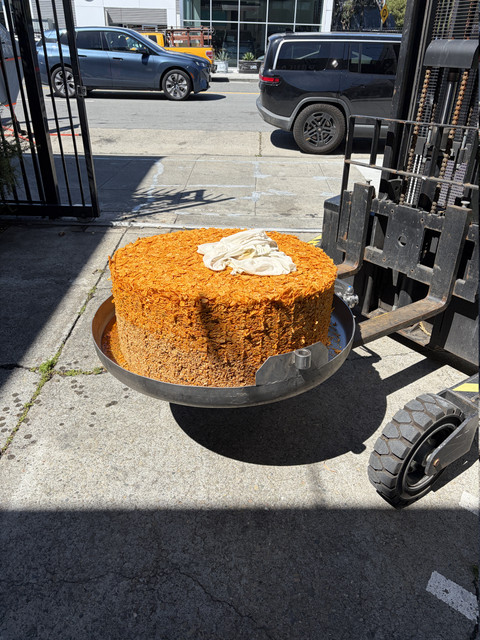
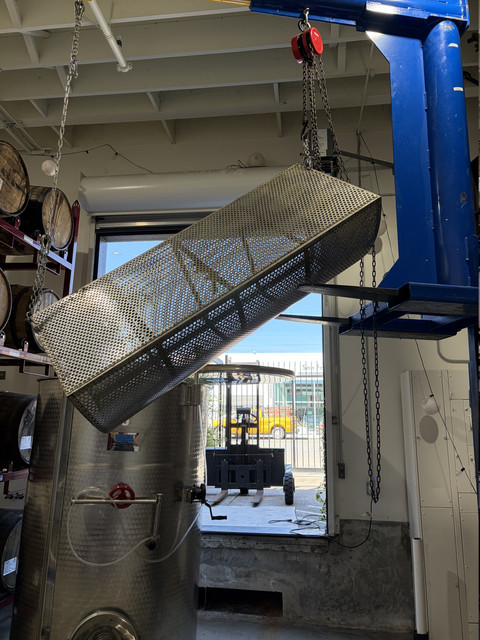
On this note, my current employer bought about a dozen barrels...
...from my previous employer and received them today.
The story makes sense for us and given that we're a micro-regional producer, we're only planning on releasing about 2-3 barrels a year.
I know where there's a glut of them should it catch fire and we want more.
Previous Message
Today's WSJ has a solid long feature on the struggles in the bourbon business. I'll put a pretty long extract here, given the fan base.
LOUISVILLE, Ky.—The beating heart of Kentucky’s bourbon country sits inside a towering building that bills itself as “The Hardest Working Still in America” in large white letters. It can churn out a barrel of Jim Beam whiskey roughly every 93 seconds.
Since January the 65-foot-tall still has been on a break. And that break is slated to last until at least 2027.
Across the roughly 430-acre campus south of Louisville, warehouses are jam-packed with barrels full of dark-brown liquor that may not have buyers. Distillery workers have been reassigned to bottling, and the company is experimenting with new ways to sell its bourbon, including pushing flavored varieties. Jim Beam, which predates the Civil War and weathered Prohibition—and is now owned by Japan’s Suntory Holdings—is fighting through another downturn....
The birthplace of bourbon is swimming in it. The rolling, forested hills of Kentucky’s bourbon country are ground zero for the slowdown afflicting the U.S. alcohol industry. Distilleries of all sizes have laid off staff, or shut down altogether. Even barrel suppliers are feeling it.
More Americans are joining the ranks of the sober-curious, and inflation has prompted some steady drinkers to cut back. GLP-1 weight-loss drugs are having the same effect. Cannabis and THC beverages are widely available, offering a hangover-free buzz. And the Trump administration’s trade wars have dented U.S. alcohol exports.
Most industry players didn’t see the collapse coming. It all started during the Covid-19 pandemic, when Americans heavily stocked their bar carts during lockdowns with bourbon and other spirits....
Kentucky is sitting on roughly 16.1 million barrels of bourbon—the equivalent of around 300 million cases —according to the Kentucky Distillers’ Association. That’s the largest reserve ever, enough to last as much as 10 years, according to industry estimates....
The recent bourbon craze kicked off in 2010, when a resurgent cocktail culture helped elevate the Old Fashioned and craft drinks in bars from London to Los Angeles....
Craft bourbon brands built buzz in speakeasies like Louisville’s Hell or High Water, and whiskey influencers started popping up online....
Under U.S. law, bourbon must be distilled from a mix of grains containing at least 51% corn, and aged in new, charred barrels of oak. Kentucky bourbon must physically be aged in that state for at least a year.
Barrel making is a big business. But like distillers, some of the makers of those barrels are struggling to find buyers for their products.
The barrels that cooperages across the country produce for bourbon-makers no longer fetch the prices they once did. At the peak—in 2023 and 2024—distillers were paying upward of $285 per barrel. Since then, prices have dropped significantly, industry players say....
Woodford Reserve maker Brown-Forman is cutting back too . The company, which got its start as a distiller in 1870 in Louisville and is best known for its Jack Daniel’s Tennessee Whiskey, said last year would lay off 12% of its 5,400-person workforce in response to weakening sales.
The cuts were supposed to yield $70 million to $80 million in savings. In a recent investor call, the company said that it was still feeling the pain of Americans pinching pennies, along with plummeting prices for barrels it sells to other spirit makers.
In Louisville, Brown-Forman closed the cooperage that made barrels to house its spirits, which also include Old Forester bourbon. The company said it planned to get more than $30 million from the sale of the cooperage.
Brown-Forman has also considered a more drastic measure: merging....
To weather the alcohol business’s current downturn, Jim Beam is taking a page from the Prohibition era.
During the U.S. government’s nearly 14-year federal ban on alcoholic beverages, James Beauregard Beam took a shot at coal mining and citrus production. With alcohol consumption ebbing again, the brand is now experimenting with a zero-alcohol citrus cocktail it calls Citrus Sin—in homage to Beam’s Prohibition-informed philosophy that not promoting agriculture and community employment was a sin.
Jim Beam is trialing the drinks at Formula One car races across the world. It is the first time since Prohibition that an alcohol-free product has carried the Jim Beam brand.
To help move its barrels of stored bourbon, Jim Beam encouraged folks to make their own bourbon-and-lemonade cocktails, recruiting comedian Kenan Thompson to pitch the products. Bottles of pineapple-infused bourbon have proved to be popular with younger tipplers....
Obviously I don’t know much, but let’s say that’s 500 bottles per year, or maybe somewhat higher. That doesn’t sound like a lot of revenue or profit potential.
Previous Message
...from my previous employer and received them today.
The story makes sense for us and given that we're a micro-regional producer, we're only planning on releasing about 2-3 barrels a year.
I know where there's a glut of them should it catch fire and we want more.
Previous Message
Today's WSJ has a solid long feature on the struggles in the bourbon business. I'll put a pretty long extract here, given the fan base.
LOUISVILLE, Ky.—The beating heart of Kentucky’s bourbon country sits inside a towering building that bills itself as “The Hardest Working Still in America” in large white letters. It can churn out a barrel of Jim Beam whiskey roughly every 93 seconds.
Since January the 65-foot-tall still has been on a break. And that break is slated to last until at least 2027.
Across the roughly 430-acre campus south of Louisville, warehouses are jam-packed with barrels full of dark-brown liquor that may not have buyers. Distillery workers have been reassigned to bottling, and the company is experimenting with new ways to sell its bourbon, including pushing flavored varieties. Jim Beam, which predates the Civil War and weathered Prohibition—and is now owned by Japan’s Suntory Holdings—is fighting through another downturn....
The birthplace of bourbon is swimming in it. The rolling, forested hills of Kentucky’s bourbon country are ground zero for the slowdown afflicting the U.S. alcohol industry. Distilleries of all sizes have laid off staff, or shut down altogether. Even barrel suppliers are feeling it.
More Americans are joining the ranks of the sober-curious, and inflation has prompted some steady drinkers to cut back. GLP-1 weight-loss drugs are having the same effect. Cannabis and THC beverages are widely available, offering a hangover-free buzz. And the Trump administration’s trade wars have dented U.S. alcohol exports.
Most industry players didn’t see the collapse coming. It all started during the Covid-19 pandemic, when Americans heavily stocked their bar carts during lockdowns with bourbon and other spirits....
Kentucky is sitting on roughly 16.1 million barrels of bourbon—the equivalent of around 300 million cases —according to the Kentucky Distillers’ Association. That’s the largest reserve ever, enough to last as much as 10 years, according to industry estimates....
The recent bourbon craze kicked off in 2010, when a resurgent cocktail culture helped elevate the Old Fashioned and craft drinks in bars from London to Los Angeles....
Craft bourbon brands built buzz in speakeasies like Louisville’s Hell or High Water, and whiskey influencers started popping up online....
Under U.S. law, bourbon must be distilled from a mix of grains containing at least 51% corn, and aged in new, charred barrels of oak. Kentucky bourbon must physically be aged in that state for at least a year.
Barrel making is a big business. But like distillers, some of the makers of those barrels are struggling to find buyers for their products.
The barrels that cooperages across the country produce for bourbon-makers no longer fetch the prices they once did. At the peak—in 2023 and 2024—distillers were paying upward of $285 per barrel. Since then, prices have dropped significantly, industry players say....
Woodford Reserve maker Brown-Forman is cutting back too . The company, which got its start as a distiller in 1870 in Louisville and is best known for its Jack Daniel’s Tennessee Whiskey, said last year would lay off 12% of its 5,400-person workforce in response to weakening sales.
The cuts were supposed to yield $70 million to $80 million in savings. In a recent investor call, the company said that it was still feeling the pain of Americans pinching pennies, along with plummeting prices for barrels it sells to other spirit makers.
In Louisville, Brown-Forman closed the cooperage that made barrels to house its spirits, which also include Old Forester bourbon. The company said it planned to get more than $30 million from the sale of the cooperage.
Brown-Forman has also considered a more drastic measure: merging....
To weather the alcohol business’s current downturn, Jim Beam is taking a page from the Prohibition era.
During the U.S. government’s nearly 14-year federal ban on alcoholic beverages, James Beauregard Beam took a shot at coal mining and citrus production. With alcohol consumption ebbing again, the brand is now experimenting with a zero-alcohol citrus cocktail it calls Citrus Sin—in homage to Beam’s Prohibition-informed philosophy that not promoting agriculture and community employment was a sin.
Jim Beam is trialing the drinks at Formula One car races across the world. It is the first time since Prohibition that an alcohol-free product has carried the Jim Beam brand.
To help move its barrels of stored bourbon, Jim Beam encouraged folks to make their own bourbon-and-lemonade cocktails, recruiting comedian Kenan Thompson to pitch the products. Bottles of pineapple-infused bourbon have proved to be popular with younger tipplers....
It's basically for PR and whiskey nerds...and hyper locals...
They're Straight Rye Whiskey Barrels from the old Anchor shop. We might get around 500 bottles a year. Sell for 100-150 bucks a pop. It's not a lot of revenue.
The goal is to drive interest in the industry to our business. We'll invite the original Master Distiller for our launch dinner to talk about it. We'll make people line up to pick up the initial bottles. Etc etc.
While they're here we have a chance to connect with them and generate interest in our in house produced products.
Previous Message
Obviously I don’t know much, but let’s say that’s 500 bottles per year, or maybe somewhat higher. That doesn’t sound like a lot of revenue or profit potential.
Previous Message
...from my previous employer and received them today.
The story makes sense for us and given that we're a micro-regional producer, we're only planning on releasing about 2-3 barrels a year.
I know where there's a glut of them should it catch fire and we want more.
Previous Message
Today's WSJ has a solid long feature on the struggles in the bourbon business. I'll put a pretty long extract here, given the fan base.
LOUISVILLE, Ky.—The beating heart of Kentucky’s bourbon country sits inside a towering building that bills itself as “The Hardest Working Still in America” in large white letters. It can churn out a barrel of Jim Beam whiskey roughly every 93 seconds.
Since January the 65-foot-tall still has been on a break. And that break is slated to last until at least 2027.
Across the roughly 430-acre campus south of Louisville, warehouses are jam-packed with barrels full of dark-brown liquor that may not have buyers. Distillery workers have been reassigned to bottling, and the company is experimenting with new ways to sell its bourbon, including pushing flavored varieties. Jim Beam, which predates the Civil War and weathered Prohibition—and is now owned by Japan’s Suntory Holdings—is fighting through another downturn....
The birthplace of bourbon is swimming in it. The rolling, forested hills of Kentucky’s bourbon country are ground zero for the slowdown afflicting the U.S. alcohol industry. Distilleries of all sizes have laid off staff, or shut down altogether. Even barrel suppliers are feeling it.
More Americans are joining the ranks of the sober-curious, and inflation has prompted some steady drinkers to cut back. GLP-1 weight-loss drugs are having the same effect. Cannabis and THC beverages are widely available, offering a hangover-free buzz. And the Trump administration’s trade wars have dented U.S. alcohol exports.
Most industry players didn’t see the collapse coming. It all started during the Covid-19 pandemic, when Americans heavily stocked their bar carts during lockdowns with bourbon and other spirits....
Kentucky is sitting on roughly 16.1 million barrels of bourbon—the equivalent of around 300 million cases —according to the Kentucky Distillers’ Association. That’s the largest reserve ever, enough to last as much as 10 years, according to industry estimates....
The recent bourbon craze kicked off in 2010, when a resurgent cocktail culture helped elevate the Old Fashioned and craft drinks in bars from London to Los Angeles....
Craft bourbon brands built buzz in speakeasies like Louisville’s Hell or High Water, and whiskey influencers started popping up online....
Under U.S. law, bourbon must be distilled from a mix of grains containing at least 51% corn, and aged in new, charred barrels of oak. Kentucky bourbon must physically be aged in that state for at least a year.
Barrel making is a big business. But like distillers, some of the makers of those barrels are struggling to find buyers for their products.
The barrels that cooperages across the country produce for bourbon-makers no longer fetch the prices they once did. At the peak—in 2023 and 2024—distillers were paying upward of $285 per barrel. Since then, prices have dropped significantly, industry players say....
Woodford Reserve maker Brown-Forman is cutting back too . The company, which got its start as a distiller in 1870 in Louisville and is best known for its Jack Daniel’s Tennessee Whiskey, said last year would lay off 12% of its 5,400-person workforce in response to weakening sales.
The cuts were supposed to yield $70 million to $80 million in savings. In a recent investor call, the company said that it was still feeling the pain of Americans pinching pennies, along with plummeting prices for barrels it sells to other spirit makers.
In Louisville, Brown-Forman closed the cooperage that made barrels to house its spirits, which also include Old Forester bourbon. The company said it planned to get more than $30 million from the sale of the cooperage.
Brown-Forman has also considered a more drastic measure: merging....
To weather the alcohol business’s current downturn, Jim Beam is taking a page from the Prohibition era.
During the U.S. government’s nearly 14-year federal ban on alcoholic beverages, James Beauregard Beam took a shot at coal mining and citrus production. With alcohol consumption ebbing again, the brand is now experimenting with a zero-alcohol citrus cocktail it calls Citrus Sin—in homage to Beam’s Prohibition-informed philosophy that not promoting agriculture and community employment was a sin.
Jim Beam is trialing the drinks at Formula One car races across the world. It is the first time since Prohibition that an alcohol-free product has carried the Jim Beam brand.
To help move its barrels of stored bourbon, Jim Beam encouraged folks to make their own bourbon-and-lemonade cocktails, recruiting comedian Kenan Thompson to pitch the products. Bottles of pineapple-infused bourbon have proved to be popular with younger tipplers....
They're Straight Rye Whiskey Barrels from the old Anchor shop. We might get around 500 bottles a year. Sell for 100-150 bucks a pop. It's not a lot of revenue.
The goal is to drive interest in the industry to our business. We'll invite the original Master Distiller for our launch dinner to talk about it. We'll make people line up to pick up the initial bottles. Etc etc.
While they're here we have a chance to connect with them and generate interest in our in house produced products.
Previous Message
Obviously I don’t know much, but let’s say that’s 500 bottles per year, or maybe somewhat higher. That doesn’t sound like a lot of revenue or profit potential.
Previous Message
...from my previous employer and received them today.
The story makes sense for us and given that we're a micro-regional producer, we're only planning on releasing about 2-3 barrels a year.
I know where there's a glut of them should it catch fire and we want more.
Previous Message
Today's WSJ has a solid long feature on the struggles in the bourbon business. I'll put a pretty long extract here, given the fan base.
LOUISVILLE, Ky.—The beating heart of Kentucky’s bourbon country sits inside a towering building that bills itself as “The Hardest Working Still in America” in large white letters. It can churn out a barrel of Jim Beam whiskey roughly every 93 seconds.
Since January the 65-foot-tall still has been on a break. And that break is slated to last until at least 2027.
Across the roughly 430-acre campus south of Louisville, warehouses are jam-packed with barrels full of dark-brown liquor that may not have buyers. Distillery workers have been reassigned to bottling, and the company is experimenting with new ways to sell its bourbon, including pushing flavored varieties. Jim Beam, which predates the Civil War and weathered Prohibition—and is now owned by Japan’s Suntory Holdings—is fighting through another downturn....
The birthplace of bourbon is swimming in it. The rolling, forested hills of Kentucky’s bourbon country are ground zero for the slowdown afflicting the U.S. alcohol industry. Distilleries of all sizes have laid off staff, or shut down altogether. Even barrel suppliers are feeling it.
More Americans are joining the ranks of the sober-curious, and inflation has prompted some steady drinkers to cut back. GLP-1 weight-loss drugs are having the same effect. Cannabis and THC beverages are widely available, offering a hangover-free buzz. And the Trump administration’s trade wars have dented U.S. alcohol exports.
Most industry players didn’t see the collapse coming. It all started during the Covid-19 pandemic, when Americans heavily stocked their bar carts during lockdowns with bourbon and other spirits....
Kentucky is sitting on roughly 16.1 million barrels of bourbon—the equivalent of around 300 million cases —according to the Kentucky Distillers’ Association. That’s the largest reserve ever, enough to last as much as 10 years, according to industry estimates....
The recent bourbon craze kicked off in 2010, when a resurgent cocktail culture helped elevate the Old Fashioned and craft drinks in bars from London to Los Angeles....
Craft bourbon brands built buzz in speakeasies like Louisville’s Hell or High Water, and whiskey influencers started popping up online....
Under U.S. law, bourbon must be distilled from a mix of grains containing at least 51% corn, and aged in new, charred barrels of oak. Kentucky bourbon must physically be aged in that state for at least a year.
Barrel making is a big business. But like distillers, some of the makers of those barrels are struggling to find buyers for their products.
The barrels that cooperages across the country produce for bourbon-makers no longer fetch the prices they once did. At the peak—in 2023 and 2024—distillers were paying upward of $285 per barrel. Since then, prices have dropped significantly, industry players say....
Woodford Reserve maker Brown-Forman is cutting back too . The company, which got its start as a distiller in 1870 in Louisville and is best known for its Jack Daniel’s Tennessee Whiskey, said last year would lay off 12% of its 5,400-person workforce in response to weakening sales.
The cuts were supposed to yield $70 million to $80 million in savings. In a recent investor call, the company said that it was still feeling the pain of Americans pinching pennies, along with plummeting prices for barrels it sells to other spirit makers.
In Louisville, Brown-Forman closed the cooperage that made barrels to house its spirits, which also include Old Forester bourbon. The company said it planned to get more than $30 million from the sale of the cooperage.
Brown-Forman has also considered a more drastic measure: merging....
To weather the alcohol business’s current downturn, Jim Beam is taking a page from the Prohibition era.
During the U.S. government’s nearly 14-year federal ban on alcoholic beverages, James Beauregard Beam took a shot at coal mining and citrus production. With alcohol consumption ebbing again, the brand is now experimenting with a zero-alcohol citrus cocktail it calls Citrus Sin—in homage to Beam’s Prohibition-informed philosophy that not promoting agriculture and community employment was a sin.
Jim Beam is trialing the drinks at Formula One car races across the world. It is the first time since Prohibition that an alcohol-free product has carried the Jim Beam brand.
To help move its barrels of stored bourbon, Jim Beam encouraged folks to make their own bourbon-and-lemonade cocktails, recruiting comedian Kenan Thompson to pitch the products. Bottles of pineapple-infused bourbon have proved to be popular with younger tipplers....
"yeah but you live down where the hoot owls eff the chickens" - illinihiltopper
They're Straight Rye Whiskey Barrels from the old Anchor shop. We might get around 500 bottles a year. Sell for 100-150 bucks a pop. It's not a lot of revenue.
The goal is to drive interest in the industry to our business. We'll invite the original Master Distiller for our launch dinner to talk about it. We'll make people line up to pick up the initial bottles. Etc etc.
While they're here we have a chance to connect with them and generate interest in our in house produced products.
Previous Message
Obviously I don’t know much, but let’s say that’s 500 bottles per year, or maybe somewhat higher. That doesn’t sound like a lot of revenue or profit potential.
Previous Message
...from my previous employer and received them today.
The story makes sense for us and given that we're a micro-regional producer, we're only planning on releasing about 2-3 barrels a year.
I know where there's a glut of them should it catch fire and we want more.
Previous Message
Today's WSJ has a solid long feature on the struggles in the bourbon business. I'll put a pretty long extract here, given the fan base.
LOUISVILLE, Ky.—The beating heart of Kentucky’s bourbon country sits inside a towering building that bills itself as “The Hardest Working Still in America” in large white letters. It can churn out a barrel of Jim Beam whiskey roughly every 93 seconds.
Since January the 65-foot-tall still has been on a break. And that break is slated to last until at least 2027.
Across the roughly 430-acre campus south of Louisville, warehouses are jam-packed with barrels full of dark-brown liquor that may not have buyers. Distillery workers have been reassigned to bottling, and the company is experimenting with new ways to sell its bourbon, including pushing flavored varieties. Jim Beam, which predates the Civil War and weathered Prohibition—and is now owned by Japan’s Suntory Holdings—is fighting through another downturn....
The birthplace of bourbon is swimming in it. The rolling, forested hills of Kentucky’s bourbon country are ground zero for the slowdown afflicting the U.S. alcohol industry. Distilleries of all sizes have laid off staff, or shut down altogether. Even barrel suppliers are feeling it.
More Americans are joining the ranks of the sober-curious, and inflation has prompted some steady drinkers to cut back. GLP-1 weight-loss drugs are having the same effect. Cannabis and THC beverages are widely available, offering a hangover-free buzz. And the Trump administration’s trade wars have dented U.S. alcohol exports.
Most industry players didn’t see the collapse coming. It all started during the Covid-19 pandemic, when Americans heavily stocked their bar carts during lockdowns with bourbon and other spirits....
Kentucky is sitting on roughly 16.1 million barrels of bourbon—the equivalent of around 300 million cases —according to the Kentucky Distillers’ Association. That’s the largest reserve ever, enough to last as much as 10 years, according to industry estimates....
The recent bourbon craze kicked off in 2010, when a resurgent cocktail culture helped elevate the Old Fashioned and craft drinks in bars from London to Los Angeles....
Craft bourbon brands built buzz in speakeasies like Louisville’s Hell or High Water, and whiskey influencers started popping up online....
Under U.S. law, bourbon must be distilled from a mix of grains containing at least 51% corn, and aged in new, charred barrels of oak. Kentucky bourbon must physically be aged in that state for at least a year.
Barrel making is a big business. But like distillers, some of the makers of those barrels are struggling to find buyers for their products.
The barrels that cooperages across the country produce for bourbon-makers no longer fetch the prices they once did. At the peak—in 2023 and 2024—distillers were paying upward of $285 per barrel. Since then, prices have dropped significantly, industry players say....
Woodford Reserve maker Brown-Forman is cutting back too . The company, which got its start as a distiller in 1870 in Louisville and is best known for its Jack Daniel’s Tennessee Whiskey, said last year would lay off 12% of its 5,400-person workforce in response to weakening sales.
The cuts were supposed to yield $70 million to $80 million in savings. In a recent investor call, the company said that it was still feeling the pain of Americans pinching pennies, along with plummeting prices for barrels it sells to other spirit makers.
In Louisville, Brown-Forman closed the cooperage that made barrels to house its spirits, which also include Old Forester bourbon. The company said it planned to get more than $30 million from the sale of the cooperage.
Brown-Forman has also considered a more drastic measure: merging....
To weather the alcohol business’s current downturn, Jim Beam is taking a page from the Prohibition era.
During the U.S. government’s nearly 14-year federal ban on alcoholic beverages, James Beauregard Beam took a shot at coal mining and citrus production. With alcohol consumption ebbing again, the brand is now experimenting with a zero-alcohol citrus cocktail it calls Citrus Sin—in homage to Beam’s Prohibition-informed philosophy that not promoting agriculture and community employment was a sin.
Jim Beam is trialing the drinks at Formula One car races across the world. It is the first time since Prohibition that an alcohol-free product has carried the Jim Beam brand.
To help move its barrels of stored bourbon, Jim Beam encouraged folks to make their own bourbon-and-lemonade cocktails, recruiting comedian Kenan Thompson to pitch the products. Bottles of pineapple-infused bourbon have proved to be popular with younger tipplers....
Kumquat?? That’s new to me*
Posted by Potomac on May 18, 2026, 21:18:27, in reply to "Amaro and Gin…."
They're Straight Rye Whiskey Barrels from the old Anchor shop. We might get around 500 bottles a year. Sell for 100-150 bucks a pop. It's not a lot of revenue.
The goal is to drive interest in the industry to our business. We'll invite the original Master Distiller for our launch dinner to talk about it. We'll make people line up to pick up the initial bottles. Etc etc.
While they're here we have a chance to connect with them and generate interest in our in house produced products.
Previous Message
Obviously I don’t know much, but let’s say that’s 500 bottles per year, or maybe somewhat higher. That doesn’t sound like a lot of revenue or profit potential.
Previous Message
...from my previous employer and received them today.
The story makes sense for us and given that we're a micro-regional producer, we're only planning on releasing about 2-3 barrels a year.
I know where there's a glut of them should it catch fire and we want more.
Previous Message
Today's WSJ has a solid long feature on the struggles in the bourbon business. I'll put a pretty long extract here, given the fan base.
LOUISVILLE, Ky.—The beating heart of Kentucky’s bourbon country sits inside a towering building that bills itself as “The Hardest Working Still in America” in large white letters. It can churn out a barrel of Jim Beam whiskey roughly every 93 seconds.
Since January the 65-foot-tall still has been on a break. And that break is slated to last until at least 2027.
Across the roughly 430-acre campus south of Louisville, warehouses are jam-packed with barrels full of dark-brown liquor that may not have buyers. Distillery workers have been reassigned to bottling, and the company is experimenting with new ways to sell its bourbon, including pushing flavored varieties. Jim Beam, which predates the Civil War and weathered Prohibition—and is now owned by Japan’s Suntory Holdings—is fighting through another downturn....
The birthplace of bourbon is swimming in it. The rolling, forested hills of Kentucky’s bourbon country are ground zero for the slowdown afflicting the U.S. alcohol industry. Distilleries of all sizes have laid off staff, or shut down altogether. Even barrel suppliers are feeling it.
More Americans are joining the ranks of the sober-curious, and inflation has prompted some steady drinkers to cut back. GLP-1 weight-loss drugs are having the same effect. Cannabis and THC beverages are widely available, offering a hangover-free buzz. And the Trump administration’s trade wars have dented U.S. alcohol exports.
Most industry players didn’t see the collapse coming. It all started during the Covid-19 pandemic, when Americans heavily stocked their bar carts during lockdowns with bourbon and other spirits....
Kentucky is sitting on roughly 16.1 million barrels of bourbon—the equivalent of around 300 million cases —according to the Kentucky Distillers’ Association. That’s the largest reserve ever, enough to last as much as 10 years, according to industry estimates....
The recent bourbon craze kicked off in 2010, when a resurgent cocktail culture helped elevate the Old Fashioned and craft drinks in bars from London to Los Angeles....
Craft bourbon brands built buzz in speakeasies like Louisville’s Hell or High Water, and whiskey influencers started popping up online....
Under U.S. law, bourbon must be distilled from a mix of grains containing at least 51% corn, and aged in new, charred barrels of oak. Kentucky bourbon must physically be aged in that state for at least a year.
Barrel making is a big business. But like distillers, some of the makers of those barrels are struggling to find buyers for their products.
The barrels that cooperages across the country produce for bourbon-makers no longer fetch the prices they once did. At the peak—in 2023 and 2024—distillers were paying upward of $285 per barrel. Since then, prices have dropped significantly, industry players say....
Woodford Reserve maker Brown-Forman is cutting back too . The company, which got its start as a distiller in 1870 in Louisville and is best known for its Jack Daniel’s Tennessee Whiskey, said last year would lay off 12% of its 5,400-person workforce in response to weakening sales.
The cuts were supposed to yield $70 million to $80 million in savings. In a recent investor call, the company said that it was still feeling the pain of Americans pinching pennies, along with plummeting prices for barrels it sells to other spirit makers.
In Louisville, Brown-Forman closed the cooperage that made barrels to house its spirits, which also include Old Forester bourbon. The company said it planned to get more than $30 million from the sale of the cooperage.
Brown-Forman has also considered a more drastic measure: merging....
To weather the alcohol business’s current downturn, Jim Beam is taking a page from the Prohibition era.
During the U.S. government’s nearly 14-year federal ban on alcoholic beverages, James Beauregard Beam took a shot at coal mining and citrus production. With alcohol consumption ebbing again, the brand is now experimenting with a zero-alcohol citrus cocktail it calls Citrus Sin—in homage to Beam’s Prohibition-informed philosophy that not promoting agriculture and community employment was a sin.
Jim Beam is trialing the drinks at Formula One car races across the world. It is the first time since Prohibition that an alcohol-free product has carried the Jim Beam brand.
To help move its barrels of stored bourbon, Jim Beam encouraged folks to make their own bourbon-and-lemonade cocktails, recruiting comedian Kenan Thompson to pitch the products. Bottles of pineapple-infused bourbon have proved to be popular with younger tipplers....
Basically an alternative to straight orange / triple sec…
They're Straight Rye Whiskey Barrels from the old Anchor shop. We might get around 500 bottles a year. Sell for 100-150 bucks a pop. It's not a lot of revenue.
The goal is to drive interest in the industry to our business. We'll invite the original Master Distiller for our launch dinner to talk about it. We'll make people line up to pick up the initial bottles. Etc etc.
While they're here we have a chance to connect with them and generate interest in our in house produced products.
Previous Message
Obviously I don’t know much, but let’s say that’s 500 bottles per year, or maybe somewhat higher. That doesn’t sound like a lot of revenue or profit potential.
Previous Message
...from my previous employer and received them today.
The story makes sense for us and given that we're a micro-regional producer, we're only planning on releasing about 2-3 barrels a year.
I know where there's a glut of them should it catch fire and we want more.
Previous Message
Today's WSJ has a solid long feature on the struggles in the bourbon business. I'll put a pretty long extract here, given the fan base.
LOUISVILLE, Ky.—The beating heart of Kentucky’s bourbon country sits inside a towering building that bills itself as “The Hardest Working Still in America” in large white letters. It can churn out a barrel of Jim Beam whiskey roughly every 93 seconds.
Since January the 65-foot-tall still has been on a break. And that break is slated to last until at least 2027.
Across the roughly 430-acre campus south of Louisville, warehouses are jam-packed with barrels full of dark-brown liquor that may not have buyers. Distillery workers have been reassigned to bottling, and the company is experimenting with new ways to sell its bourbon, including pushing flavored varieties. Jim Beam, which predates the Civil War and weathered Prohibition—and is now owned by Japan’s Suntory Holdings—is fighting through another downturn....
The birthplace of bourbon is swimming in it. The rolling, forested hills of Kentucky’s bourbon country are ground zero for the slowdown afflicting the U.S. alcohol industry. Distilleries of all sizes have laid off staff, or shut down altogether. Even barrel suppliers are feeling it.
More Americans are joining the ranks of the sober-curious, and inflation has prompted some steady drinkers to cut back. GLP-1 weight-loss drugs are having the same effect. Cannabis and THC beverages are widely available, offering a hangover-free buzz. And the Trump administration’s trade wars have dented U.S. alcohol exports.
Most industry players didn’t see the collapse coming. It all started during the Covid-19 pandemic, when Americans heavily stocked their bar carts during lockdowns with bourbon and other spirits....
Kentucky is sitting on roughly 16.1 million barrels of bourbon—the equivalent of around 300 million cases —according to the Kentucky Distillers’ Association. That’s the largest reserve ever, enough to last as much as 10 years, according to industry estimates....
The recent bourbon craze kicked off in 2010, when a resurgent cocktail culture helped elevate the Old Fashioned and craft drinks in bars from London to Los Angeles....
Craft bourbon brands built buzz in speakeasies like Louisville’s Hell or High Water, and whiskey influencers started popping up online....
Under U.S. law, bourbon must be distilled from a mix of grains containing at least 51% corn, and aged in new, charred barrels of oak. Kentucky bourbon must physically be aged in that state for at least a year.
Barrel making is a big business. But like distillers, some of the makers of those barrels are struggling to find buyers for their products.
The barrels that cooperages across the country produce for bourbon-makers no longer fetch the prices they once did. At the peak—in 2023 and 2024—distillers were paying upward of $285 per barrel. Since then, prices have dropped significantly, industry players say....
Woodford Reserve maker Brown-Forman is cutting back too . The company, which got its start as a distiller in 1870 in Louisville and is best known for its Jack Daniel’s Tennessee Whiskey, said last year would lay off 12% of its 5,400-person workforce in response to weakening sales.
The cuts were supposed to yield $70 million to $80 million in savings. In a recent investor call, the company said that it was still feeling the pain of Americans pinching pennies, along with plummeting prices for barrels it sells to other spirit makers.
In Louisville, Brown-Forman closed the cooperage that made barrels to house its spirits, which also include Old Forester bourbon. The company said it planned to get more than $30 million from the sale of the cooperage.
Brown-Forman has also considered a more drastic measure: merging....
To weather the alcohol business’s current downturn, Jim Beam is taking a page from the Prohibition era.
During the U.S. government’s nearly 14-year federal ban on alcoholic beverages, James Beauregard Beam took a shot at coal mining and citrus production. With alcohol consumption ebbing again, the brand is now experimenting with a zero-alcohol citrus cocktail it calls Citrus Sin—in homage to Beam’s Prohibition-informed philosophy that not promoting agriculture and community employment was a sin.
Jim Beam is trialing the drinks at Formula One car races across the world. It is the first time since Prohibition that an alcohol-free product has carried the Jim Beam brand.
To help move its barrels of stored bourbon, Jim Beam encouraged folks to make their own bourbon-and-lemonade cocktails, recruiting comedian Kenan Thompson to pitch the products. Bottles of pineapple-infused bourbon have proved to be popular with younger tipplers....
Cool. Neat looking place. *
Posted by harb99 on May 18, 2026, 21:10:48, in reply to "Amaro and Gin…." a CM calendar at work is A-OK
They're Straight Rye Whiskey Barrels from the old Anchor shop. We might get around 500 bottles a year. Sell for 100-150 bucks a pop. It's not a lot of revenue.
The goal is to drive interest in the industry to our business. We'll invite the original Master Distiller for our launch dinner to talk about it. We'll make people line up to pick up the initial bottles. Etc etc.
While they're here we have a chance to connect with them and generate interest in our in house produced products.
Previous Message
Obviously I don’t know much, but let’s say that’s 500 bottles per year, or maybe somewhat higher. That doesn’t sound like a lot of revenue or profit potential.
Previous Message
...from my previous employer and received them today.
The story makes sense for us and given that we're a micro-regional producer, we're only planning on releasing about 2-3 barrels a year.
I know where there's a glut of them should it catch fire and we want more.
Previous Message
Today's WSJ has a solid long feature on the struggles in the bourbon business. I'll put a pretty long extract here, given the fan base.
LOUISVILLE, Ky.—The beating heart of Kentucky’s bourbon country sits inside a towering building that bills itself as “The Hardest Working Still in America” in large white letters. It can churn out a barrel of Jim Beam whiskey roughly every 93 seconds.
Since January the 65-foot-tall still has been on a break. And that break is slated to last until at least 2027.
Across the roughly 430-acre campus south of Louisville, warehouses are jam-packed with barrels full of dark-brown liquor that may not have buyers. Distillery workers have been reassigned to bottling, and the company is experimenting with new ways to sell its bourbon, including pushing flavored varieties. Jim Beam, which predates the Civil War and weathered Prohibition—and is now owned by Japan’s Suntory Holdings—is fighting through another downturn....
The birthplace of bourbon is swimming in it. The rolling, forested hills of Kentucky’s bourbon country are ground zero for the slowdown afflicting the U.S. alcohol industry. Distilleries of all sizes have laid off staff, or shut down altogether. Even barrel suppliers are feeling it.
More Americans are joining the ranks of the sober-curious, and inflation has prompted some steady drinkers to cut back. GLP-1 weight-loss drugs are having the same effect. Cannabis and THC beverages are widely available, offering a hangover-free buzz. And the Trump administration’s trade wars have dented U.S. alcohol exports.
Most industry players didn’t see the collapse coming. It all started during the Covid-19 pandemic, when Americans heavily stocked their bar carts during lockdowns with bourbon and other spirits....
Kentucky is sitting on roughly 16.1 million barrels of bourbon—the equivalent of around 300 million cases —according to the Kentucky Distillers’ Association. That’s the largest reserve ever, enough to last as much as 10 years, according to industry estimates....
The recent bourbon craze kicked off in 2010, when a resurgent cocktail culture helped elevate the Old Fashioned and craft drinks in bars from London to Los Angeles....
Craft bourbon brands built buzz in speakeasies like Louisville’s Hell or High Water, and whiskey influencers started popping up online....
Under U.S. law, bourbon must be distilled from a mix of grains containing at least 51% corn, and aged in new, charred barrels of oak. Kentucky bourbon must physically be aged in that state for at least a year.
Barrel making is a big business. But like distillers, some of the makers of those barrels are struggling to find buyers for their products.
The barrels that cooperages across the country produce for bourbon-makers no longer fetch the prices they once did. At the peak—in 2023 and 2024—distillers were paying upward of $285 per barrel. Since then, prices have dropped significantly, industry players say....
Woodford Reserve maker Brown-Forman is cutting back too . The company, which got its start as a distiller in 1870 in Louisville and is best known for its Jack Daniel’s Tennessee Whiskey, said last year would lay off 12% of its 5,400-person workforce in response to weakening sales.
The cuts were supposed to yield $70 million to $80 million in savings. In a recent investor call, the company said that it was still feeling the pain of Americans pinching pennies, along with plummeting prices for barrels it sells to other spirit makers.
In Louisville, Brown-Forman closed the cooperage that made barrels to house its spirits, which also include Old Forester bourbon. The company said it planned to get more than $30 million from the sale of the cooperage.
Brown-Forman has also considered a more drastic measure: merging....
To weather the alcohol business’s current downturn, Jim Beam is taking a page from the Prohibition era.
During the U.S. government’s nearly 14-year federal ban on alcoholic beverages, James Beauregard Beam took a shot at coal mining and citrus production. With alcohol consumption ebbing again, the brand is now experimenting with a zero-alcohol citrus cocktail it calls Citrus Sin—in homage to Beam’s Prohibition-informed philosophy that not promoting agriculture and community employment was a sin.
Jim Beam is trialing the drinks at Formula One car races across the world. It is the first time since Prohibition that an alcohol-free product has carried the Jim Beam brand.
To help move its barrels of stored bourbon, Jim Beam encouraged folks to make their own bourbon-and-lemonade cocktails, recruiting comedian Kenan Thompson to pitch the products. Bottles of pineapple-infused bourbon have proved to be popular with younger tipplers....
"yeah but you live down where the hoot owls eff the chickens" - illinihiltopper
We did one of the flagship tour/tasting back in December before it opened to the public. It is in the middle of nowhere overlooking the Mississippi River and the "rickhouse" barges are located below the distillery on the river.
The bourbons are pretty solid as well. I think some of it has been contract distilled by Green River in Owensboro Kentucky. Also a great visit if you find yourself in that are of Kentucky."yeah but you live down where the hoot owls eff the chickens" - illinihiltopper
Had you been in *Columbia*, KY you could have visited the greatest attraction of all!
I swung by one day while driving through the area for work. It's really just a small sewing shop / factory attached to a large warehouse. No official tours of any sort. But the folks running the place let me just stroll about on my own. I did not want to leave. Ended up leaving with a bunch of stuff. Guns. Have them.
The welfare of humanity is always the alibi of tyrants.
I swung by one day while driving through the area for work. It's really just a small sewing shop / factory attached to a large warehouse. No official tours of any sort. But the folks running the place let me just stroll about on my own. I did not want to leave. Ended up leaving with a bunch of stuff.
"yeah but you live down where the hoot owls eff the chickens" - illinihiltopper
They were a staple for many years at the annual military memorabilia show I attend . . .
Arrogance allowed every CEO to think they were a special snowflake during 2020 - 2022 and buy HUGE contract production amounts of whiskey. They launched their own Not Distiller Producer brands.
The downturn happened and they can't move what is essentially 40 versions of the same liquid from the same 5 producers.
There's no huge glut of 8-12 year old bourbon...but the stocks of sub-5 year old whiskey are enormous. It's basically unsellable below 4 years so they start doing things like making it a flavored product.
They're pulling back production because they don't have a market anymore for new make and are eyeballs deep in whiskey under 5 years old.
It will be interesting to see once all this huge amount of stock comes to a decent age, what happens to the 60-100 dollar bottle market.
Previous Message
Today's WSJ has a solid long feature on the struggles in the bourbon business. I'll put a pretty long extract here, given the fan base.
LOUISVILLE, Ky.—The beating heart of Kentucky’s bourbon country sits inside a towering building that bills itself as “The Hardest Working Still in America” in large white letters. It can churn out a barrel of Jim Beam whiskey roughly every 93 seconds.
Since January the 65-foot-tall still has been on a break. And that break is slated to last until at least 2027.
Across the roughly 430-acre campus south of Louisville, warehouses are jam-packed with barrels full of dark-brown liquor that may not have buyers. Distillery workers have been reassigned to bottling, and the company is experimenting with new ways to sell its bourbon, including pushing flavored varieties. Jim Beam, which predates the Civil War and weathered Prohibition—and is now owned by Japan’s Suntory Holdings—is fighting through another downturn....
The birthplace of bourbon is swimming in it. The rolling, forested hills of Kentucky’s bourbon country are ground zero for the slowdown afflicting the U.S. alcohol industry. Distilleries of all sizes have laid off staff, or shut down altogether. Even barrel suppliers are feeling it.
More Americans are joining the ranks of the sober-curious, and inflation has prompted some steady drinkers to cut back. GLP-1 weight-loss drugs are having the same effect. Cannabis and THC beverages are widely available, offering a hangover-free buzz. And the Trump administration’s trade wars have dented U.S. alcohol exports.
Most industry players didn’t see the collapse coming. It all started during the Covid-19 pandemic, when Americans heavily stocked their bar carts during lockdowns with bourbon and other spirits....
Kentucky is sitting on roughly 16.1 million barrels of bourbon—the equivalent of around 300 million cases —according to the Kentucky Distillers’ Association. That’s the largest reserve ever, enough to last as much as 10 years, according to industry estimates....
The recent bourbon craze kicked off in 2010, when a resurgent cocktail culture helped elevate the Old Fashioned and craft drinks in bars from London to Los Angeles....
Craft bourbon brands built buzz in speakeasies like Louisville’s Hell or High Water, and whiskey influencers started popping up online....
Under U.S. law, bourbon must be distilled from a mix of grains containing at least 51% corn, and aged in new, charred barrels of oak. Kentucky bourbon must physically be aged in that state for at least a year.
Barrel making is a big business. But like distillers, some of the makers of those barrels are struggling to find buyers for their products.
The barrels that cooperages across the country produce for bourbon-makers no longer fetch the prices they once did. At the peak—in 2023 and 2024—distillers were paying upward of $285 per barrel. Since then, prices have dropped significantly, industry players say....
Woodford Reserve maker Brown-Forman is cutting back too . The company, which got its start as a distiller in 1870 in Louisville and is best known for its Jack Daniel’s Tennessee Whiskey, said last year would lay off 12% of its 5,400-person workforce in response to weakening sales.
The cuts were supposed to yield $70 million to $80 million in savings. In a recent investor call, the company said that it was still feeling the pain of Americans pinching pennies, along with plummeting prices for barrels it sells to other spirit makers.
In Louisville, Brown-Forman closed the cooperage that made barrels to house its spirits, which also include Old Forester bourbon. The company said it planned to get more than $30 million from the sale of the cooperage.
Brown-Forman has also considered a more drastic measure: merging....
To weather the alcohol business’s current downturn, Jim Beam is taking a page from the Prohibition era.
During the U.S. government’s nearly 14-year federal ban on alcoholic beverages, James Beauregard Beam took a shot at coal mining and citrus production. With alcohol consumption ebbing again, the brand is now experimenting with a zero-alcohol citrus cocktail it calls Citrus Sin—in homage to Beam’s Prohibition-informed philosophy that not promoting agriculture and community employment was a sin.
Jim Beam is trialing the drinks at Formula One car races across the world. It is the first time since Prohibition that an alcohol-free product has carried the Jim Beam brand.
To help move its barrels of stored bourbon, Jim Beam encouraged folks to make their own bourbon-and-lemonade cocktails, recruiting comedian Kenan Thompson to pitch the products. Bottles of pineapple-infused bourbon have proved to be popular with younger tipplers....
Yeah, F them. Sick of all the store holdbacks and up charging for the good stuff
nobody wants to drink the swill. They could have been producing more of the cask strength longer aged stuff, but were satisfied with keeping it hard to find.
Partially due to not having people over as often but also just not drinking much booze the past several years.
Previous Message
Arrogance allowed every CEO to think they were a special snowflake during 2020 - 2022 and buy HUGE contract production amounts of whiskey. They launched their own Not Distiller Producer brands.
The downturn happened and they can't move what is essentially 40 versions of the same liquid from the same 5 producers.
There's no huge glut of 8-12 year old bourbon...but the stocks of sub-5 year old whiskey are enormous. It's basically unsellable below 4 years so they start doing things like making it a flavored product.
They're pulling back production because they don't have a market anymore for new make and are eyeballs deep in whiskey under 5 years old.
It will be interesting to see once all this huge amount of stock comes to a decent age, what happens to the 60-100 dollar bottle market.
Previous Message
Today's WSJ has a solid long feature on the struggles in the bourbon business. I'll put a pretty long extract here, given the fan base.
LOUISVILLE, Ky.—The beating heart of Kentucky’s bourbon country sits inside a towering building that bills itself as “The Hardest Working Still in America” in large white letters. It can churn out a barrel of Jim Beam whiskey roughly every 93 seconds.
Since January the 65-foot-tall still has been on a break. And that break is slated to last until at least 2027.
Across the roughly 430-acre campus south of Louisville, warehouses are jam-packed with barrels full of dark-brown liquor that may not have buyers. Distillery workers have been reassigned to bottling, and the company is experimenting with new ways to sell its bourbon, including pushing flavored varieties. Jim Beam, which predates the Civil War and weathered Prohibition—and is now owned by Japan’s Suntory Holdings—is fighting through another downturn....
The birthplace of bourbon is swimming in it. The rolling, forested hills of Kentucky’s bourbon country are ground zero for the slowdown afflicting the U.S. alcohol industry. Distilleries of all sizes have laid off staff, or shut down altogether. Even barrel suppliers are feeling it.
More Americans are joining the ranks of the sober-curious, and inflation has prompted some steady drinkers to cut back. GLP-1 weight-loss drugs are having the same effect. Cannabis and THC beverages are widely available, offering a hangover-free buzz. And the Trump administration’s trade wars have dented U.S. alcohol exports.
Most industry players didn’t see the collapse coming. It all started during the Covid-19 pandemic, when Americans heavily stocked their bar carts during lockdowns with bourbon and other spirits....
Kentucky is sitting on roughly 16.1 million barrels of bourbon—the equivalent of around 300 million cases —according to the Kentucky Distillers’ Association. That’s the largest reserve ever, enough to last as much as 10 years, according to industry estimates....
The recent bourbon craze kicked off in 2010, when a resurgent cocktail culture helped elevate the Old Fashioned and craft drinks in bars from London to Los Angeles....
Craft bourbon brands built buzz in speakeasies like Louisville’s Hell or High Water, and whiskey influencers started popping up online....
Under U.S. law, bourbon must be distilled from a mix of grains containing at least 51% corn, and aged in new, charred barrels of oak. Kentucky bourbon must physically be aged in that state for at least a year.
Barrel making is a big business. But like distillers, some of the makers of those barrels are struggling to find buyers for their products.
The barrels that cooperages across the country produce for bourbon-makers no longer fetch the prices they once did. At the peak—in 2023 and 2024—distillers were paying upward of $285 per barrel. Since then, prices have dropped significantly, industry players say....
Woodford Reserve maker Brown-Forman is cutting back too . The company, which got its start as a distiller in 1870 in Louisville and is best known for its Jack Daniel’s Tennessee Whiskey, said last year would lay off 12% of its 5,400-person workforce in response to weakening sales.
The cuts were supposed to yield $70 million to $80 million in savings. In a recent investor call, the company said that it was still feeling the pain of Americans pinching pennies, along with plummeting prices for barrels it sells to other spirit makers.
In Louisville, Brown-Forman closed the cooperage that made barrels to house its spirits, which also include Old Forester bourbon. The company said it planned to get more than $30 million from the sale of the cooperage.
Brown-Forman has also considered a more drastic measure: merging....
To weather the alcohol business’s current downturn, Jim Beam is taking a page from the Prohibition era.
During the U.S. government’s nearly 14-year federal ban on alcoholic beverages, James Beauregard Beam took a shot at coal mining and citrus production. With alcohol consumption ebbing again, the brand is now experimenting with a zero-alcohol citrus cocktail it calls Citrus Sin—in homage to Beam’s Prohibition-informed philosophy that not promoting agriculture and community employment was a sin.
Jim Beam is trialing the drinks at Formula One car races across the world. It is the first time since Prohibition that an alcohol-free product has carried the Jim Beam brand.
To help move its barrels of stored bourbon, Jim Beam encouraged folks to make their own bourbon-and-lemonade cocktails, recruiting comedian Kenan Thompson to pitch the products. Bottles of pineapple-infused bourbon have proved to be popular with younger tipplers....
Uneducated Redneck Piece of Shit
The Millennials are aging out of their taste for hard liquor and craft beer and the
results for the liquor industry as the Boomers die and get ordered to quit drinking due to their other meds is absolutely devastating. Gen Z would rather fap to OnlyFans girls than socialize in real life. The level of unmitigated collapse in this industry is unlike anything I've ever seen. It's like trying to sell flip phones 3 years after the iPhone hit the market.
Previous Message
Still sitting in my kitchen about 3/4 full.
Partially due to not having people over as often but also just not drinking much booze the past several years.
Previous Message
Arrogance allowed every CEO to think they were a special snowflake during 2020 - 2022 and buy HUGE contract production amounts of whiskey. They launched their own Not Distiller Producer brands.
The downturn happened and they can't move what is essentially 40 versions of the same liquid from the same 5 producers.
There's no huge glut of 8-12 year old bourbon...but the stocks of sub-5 year old whiskey are enormous. It's basically unsellable below 4 years so they start doing things like making it a flavored product.
They're pulling back production because they don't have a market anymore for new make and are eyeballs deep in whiskey under 5 years old.
It will be interesting to see once all this huge amount of stock comes to a decent age, what happens to the 60-100 dollar bottle market.
Previous Message
Today's WSJ has a solid long feature on the struggles in the bourbon business. I'll put a pretty long extract here, given the fan base.
LOUISVILLE, Ky.—The beating heart of Kentucky’s bourbon country sits inside a towering building that bills itself as “The Hardest Working Still in America” in large white letters. It can churn out a barrel of Jim Beam whiskey roughly every 93 seconds.
Since January the 65-foot-tall still has been on a break. And that break is slated to last until at least 2027.
Across the roughly 430-acre campus south of Louisville, warehouses are jam-packed with barrels full of dark-brown liquor that may not have buyers. Distillery workers have been reassigned to bottling, and the company is experimenting with new ways to sell its bourbon, including pushing flavored varieties. Jim Beam, which predates the Civil War and weathered Prohibition—and is now owned by Japan’s Suntory Holdings—is fighting through another downturn....
The birthplace of bourbon is swimming in it. The rolling, forested hills of Kentucky’s bourbon country are ground zero for the slowdown afflicting the U.S. alcohol industry. Distilleries of all sizes have laid off staff, or shut down altogether. Even barrel suppliers are feeling it.
More Americans are joining the ranks of the sober-curious, and inflation has prompted some steady drinkers to cut back. GLP-1 weight-loss drugs are having the same effect. Cannabis and THC beverages are widely available, offering a hangover-free buzz. And the Trump administration’s trade wars have dented U.S. alcohol exports.
Most industry players didn’t see the collapse coming. It all started during the Covid-19 pandemic, when Americans heavily stocked their bar carts during lockdowns with bourbon and other spirits....
Kentucky is sitting on roughly 16.1 million barrels of bourbon—the equivalent of around 300 million cases —according to the Kentucky Distillers’ Association. That’s the largest reserve ever, enough to last as much as 10 years, according to industry estimates....
The recent bourbon craze kicked off in 2010, when a resurgent cocktail culture helped elevate the Old Fashioned and craft drinks in bars from London to Los Angeles....
Craft bourbon brands built buzz in speakeasies like Louisville’s Hell or High Water, and whiskey influencers started popping up online....
Under U.S. law, bourbon must be distilled from a mix of grains containing at least 51% corn, and aged in new, charred barrels of oak. Kentucky bourbon must physically be aged in that state for at least a year.
Barrel making is a big business. But like distillers, some of the makers of those barrels are struggling to find buyers for their products.
The barrels that cooperages across the country produce for bourbon-makers no longer fetch the prices they once did. At the peak—in 2023 and 2024—distillers were paying upward of $285 per barrel. Since then, prices have dropped significantly, industry players say....
Woodford Reserve maker Brown-Forman is cutting back too . The company, which got its start as a distiller in 1870 in Louisville and is best known for its Jack Daniel’s Tennessee Whiskey, said last year would lay off 12% of its 5,400-person workforce in response to weakening sales.
The cuts were supposed to yield $70 million to $80 million in savings. In a recent investor call, the company said that it was still feeling the pain of Americans pinching pennies, along with plummeting prices for barrels it sells to other spirit makers.
In Louisville, Brown-Forman closed the cooperage that made barrels to house its spirits, which also include Old Forester bourbon. The company said it planned to get more than $30 million from the sale of the cooperage.
Brown-Forman has also considered a more drastic measure: merging....
To weather the alcohol business’s current downturn, Jim Beam is taking a page from the Prohibition era.
During the U.S. government’s nearly 14-year federal ban on alcoholic beverages, James Beauregard Beam took a shot at coal mining and citrus production. With alcohol consumption ebbing again, the brand is now experimenting with a zero-alcohol citrus cocktail it calls Citrus Sin—in homage to Beam’s Prohibition-informed philosophy that not promoting agriculture and community employment was a sin.
Jim Beam is trialing the drinks at Formula One car races across the world. It is the first time since Prohibition that an alcohol-free product has carried the Jim Beam brand.
To help move its barrels of stored bourbon, Jim Beam encouraged folks to make their own bourbon-and-lemonade cocktails, recruiting comedian Kenan Thompson to pitch the products. Bottles of pineapple-infused bourbon have proved to be popular with younger tipplers....
"Iowa women were better than Illini men" - Potomac
results for the liquor industry as the Boomers die and get ordered to quit drinking due to their other meds is absolutely devastating. Gen Z would rather fap to OnlyFans girls than socialize in real life. The level of unmitigated collapse in this industry is unlike anything I've ever seen. It's like trying to sell flip phones 3 years after the iPhone hit the market.
Previous Message
Still sitting in my kitchen about 3/4 full.
Partially due to not having people over as often but also just not drinking much booze the past several years.
Previous Message
Arrogance allowed every CEO to think they were a special snowflake during 2020 - 2022 and buy HUGE contract production amounts of whiskey. They launched their own Not Distiller Producer brands.
The downturn happened and they can't move what is essentially 40 versions of the same liquid from the same 5 producers.
There's no huge glut of 8-12 year old bourbon...but the stocks of sub-5 year old whiskey are enormous. It's basically unsellable below 4 years so they start doing things like making it a flavored product.
They're pulling back production because they don't have a market anymore for new make and are eyeballs deep in whiskey under 5 years old.
It will be interesting to see once all this huge amount of stock comes to a decent age, what happens to the 60-100 dollar bottle market.
Previous Message
Today's WSJ has a solid long feature on the struggles in the bourbon business. I'll put a pretty long extract here, given the fan base.
LOUISVILLE, Ky.—The beating heart of Kentucky’s bourbon country sits inside a towering building that bills itself as “The Hardest Working Still in America” in large white letters. It can churn out a barrel of Jim Beam whiskey roughly every 93 seconds.
Since January the 65-foot-tall still has been on a break. And that break is slated to last until at least 2027.
Across the roughly 430-acre campus south of Louisville, warehouses are jam-packed with barrels full of dark-brown liquor that may not have buyers. Distillery workers have been reassigned to bottling, and the company is experimenting with new ways to sell its bourbon, including pushing flavored varieties. Jim Beam, which predates the Civil War and weathered Prohibition—and is now owned by Japan’s Suntory Holdings—is fighting through another downturn....
The birthplace of bourbon is swimming in it. The rolling, forested hills of Kentucky’s bourbon country are ground zero for the slowdown afflicting the U.S. alcohol industry. Distilleries of all sizes have laid off staff, or shut down altogether. Even barrel suppliers are feeling it.
More Americans are joining the ranks of the sober-curious, and inflation has prompted some steady drinkers to cut back. GLP-1 weight-loss drugs are having the same effect. Cannabis and THC beverages are widely available, offering a hangover-free buzz. And the Trump administration’s trade wars have dented U.S. alcohol exports.
Most industry players didn’t see the collapse coming. It all started during the Covid-19 pandemic, when Americans heavily stocked their bar carts during lockdowns with bourbon and other spirits....
Kentucky is sitting on roughly 16.1 million barrels of bourbon—the equivalent of around 300 million cases —according to the Kentucky Distillers’ Association. That’s the largest reserve ever, enough to last as much as 10 years, according to industry estimates....
The recent bourbon craze kicked off in 2010, when a resurgent cocktail culture helped elevate the Old Fashioned and craft drinks in bars from London to Los Angeles....
Craft bourbon brands built buzz in speakeasies like Louisville’s Hell or High Water, and whiskey influencers started popping up online....
Under U.S. law, bourbon must be distilled from a mix of grains containing at least 51% corn, and aged in new, charred barrels of oak. Kentucky bourbon must physically be aged in that state for at least a year.
Barrel making is a big business. But like distillers, some of the makers of those barrels are struggling to find buyers for their products.
The barrels that cooperages across the country produce for bourbon-makers no longer fetch the prices they once did. At the peak—in 2023 and 2024—distillers were paying upward of $285 per barrel. Since then, prices have dropped significantly, industry players say....
Woodford Reserve maker Brown-Forman is cutting back too . The company, which got its start as a distiller in 1870 in Louisville and is best known for its Jack Daniel’s Tennessee Whiskey, said last year would lay off 12% of its 5,400-person workforce in response to weakening sales.
The cuts were supposed to yield $70 million to $80 million in savings. In a recent investor call, the company said that it was still feeling the pain of Americans pinching pennies, along with plummeting prices for barrels it sells to other spirit makers.
In Louisville, Brown-Forman closed the cooperage that made barrels to house its spirits, which also include Old Forester bourbon. The company said it planned to get more than $30 million from the sale of the cooperage.
Brown-Forman has also considered a more drastic measure: merging....
To weather the alcohol business’s current downturn, Jim Beam is taking a page from the Prohibition era.
During the U.S. government’s nearly 14-year federal ban on alcoholic beverages, James Beauregard Beam took a shot at coal mining and citrus production. With alcohol consumption ebbing again, the brand is now experimenting with a zero-alcohol citrus cocktail it calls Citrus Sin—in homage to Beam’s Prohibition-informed philosophy that not promoting agriculture and community employment was a sin.
Jim Beam is trialing the drinks at Formula One car races across the world. It is the first time since Prohibition that an alcohol-free product has carried the Jim Beam brand.
To help move its barrels of stored bourbon, Jim Beam encouraged folks to make their own bourbon-and-lemonade cocktails, recruiting comedian Kenan Thompson to pitch the products. Bottles of pineapple-infused bourbon have proved to be popular with younger tipplers....
Guns. Have them.
The welfare of humanity is always the alibi of tyrants.
Socialism is the gospel of envy.
People have no idea what is coming. There are so many brands in all sorts
Posted by fratstud on May 18, 2026, 21:41:37, in reply to "RIP, Schlitz beer.*" Go Zags!
of industries that are running dangerously close to marginal price surpassing marginal cost that as Boomer demand dries up a lot of shit is just gonna start disappearing.
I don't want to imply that we are at 1920's levels or anything, but the entirety of New Deal Fascism that the Democrats ushered in beginning in 1933 was to deal with that very problem. Gluts in everything. An army of technocrats in DC tried to legislatively curb output to reign in competition and prop up margins using everything from transportation regulation to telling Mr. Wickard precisely how many acres of wheat he could plant.
They got the unions to assist by calling strikes to curtail production and transportation. Contrary to the Master Narrative it didn't work, the only thing that worked with the destruction of broad swaths of the capital base of Europe and northeast Asia and the ensuing population boom that came following the war.
Previous Message
Previous Message
results for the liquor industry as the Boomers die and get ordered to quit drinking due to their other meds is absolutely devastating. Gen Z would rather fap to OnlyFans girls than socialize in real life. The level of unmitigated collapse in this industry is unlike anything I've ever seen. It's like trying to sell flip phones 3 years after the iPhone hit the market.
Previous Message
Still sitting in my kitchen about 3/4 full.
Partially due to not having people over as often but also just not drinking much booze the past several years.
Previous Message
Arrogance allowed every CEO to think they were a special snowflake during 2020 - 2022 and buy HUGE contract production amounts of whiskey. They launched their own Not Distiller Producer brands.
The downturn happened and they can't move what is essentially 40 versions of the same liquid from the same 5 producers.
There's no huge glut of 8-12 year old bourbon...but the stocks of sub-5 year old whiskey are enormous. It's basically unsellable below 4 years so they start doing things like making it a flavored product.
They're pulling back production because they don't have a market anymore for new make and are eyeballs deep in whiskey under 5 years old.
It will be interesting to see once all this huge amount of stock comes to a decent age, what happens to the 60-100 dollar bottle market.
Previous Message
Today's WSJ has a solid long feature on the struggles in the bourbon business. I'll put a pretty long extract here, given the fan base.
LOUISVILLE, Ky.—The beating heart of Kentucky’s bourbon country sits inside a towering building that bills itself as “The Hardest Working Still in America” in large white letters. It can churn out a barrel of Jim Beam whiskey roughly every 93 seconds.
Since January the 65-foot-tall still has been on a break. And that break is slated to last until at least 2027.
Across the roughly 430-acre campus south of Louisville, warehouses are jam-packed with barrels full of dark-brown liquor that may not have buyers. Distillery workers have been reassigned to bottling, and the company is experimenting with new ways to sell its bourbon, including pushing flavored varieties. Jim Beam, which predates the Civil War and weathered Prohibition—and is now owned by Japan’s Suntory Holdings—is fighting through another downturn....
The birthplace of bourbon is swimming in it. The rolling, forested hills of Kentucky’s bourbon country are ground zero for the slowdown afflicting the U.S. alcohol industry. Distilleries of all sizes have laid off staff, or shut down altogether. Even barrel suppliers are feeling it.
More Americans are joining the ranks of the sober-curious, and inflation has prompted some steady drinkers to cut back. GLP-1 weight-loss drugs are having the same effect. Cannabis and THC beverages are widely available, offering a hangover-free buzz. And the Trump administration’s trade wars have dented U.S. alcohol exports.
Most industry players didn’t see the collapse coming. It all started during the Covid-19 pandemic, when Americans heavily stocked their bar carts during lockdowns with bourbon and other spirits....
Kentucky is sitting on roughly 16.1 million barrels of bourbon—the equivalent of around 300 million cases —according to the Kentucky Distillers’ Association. That’s the largest reserve ever, enough to last as much as 10 years, according to industry estimates....
The recent bourbon craze kicked off in 2010, when a resurgent cocktail culture helped elevate the Old Fashioned and craft drinks in bars from London to Los Angeles....
Craft bourbon brands built buzz in speakeasies like Louisville’s Hell or High Water, and whiskey influencers started popping up online....
Under U.S. law, bourbon must be distilled from a mix of grains containing at least 51% corn, and aged in new, charred barrels of oak. Kentucky bourbon must physically be aged in that state for at least a year.
Barrel making is a big business. But like distillers, some of the makers of those barrels are struggling to find buyers for their products.
The barrels that cooperages across the country produce for bourbon-makers no longer fetch the prices they once did. At the peak—in 2023 and 2024—distillers were paying upward of $285 per barrel. Since then, prices have dropped significantly, industry players say....
Woodford Reserve maker Brown-Forman is cutting back too . The company, which got its start as a distiller in 1870 in Louisville and is best known for its Jack Daniel’s Tennessee Whiskey, said last year would lay off 12% of its 5,400-person workforce in response to weakening sales.
The cuts were supposed to yield $70 million to $80 million in savings. In a recent investor call, the company said that it was still feeling the pain of Americans pinching pennies, along with plummeting prices for barrels it sells to other spirit makers.
In Louisville, Brown-Forman closed the cooperage that made barrels to house its spirits, which also include Old Forester bourbon. The company said it planned to get more than $30 million from the sale of the cooperage.
Brown-Forman has also considered a more drastic measure: merging....
To weather the alcohol business’s current downturn, Jim Beam is taking a page from the Prohibition era.
During the U.S. government’s nearly 14-year federal ban on alcoholic beverages, James Beauregard Beam took a shot at coal mining and citrus production. With alcohol consumption ebbing again, the brand is now experimenting with a zero-alcohol citrus cocktail it calls Citrus Sin—in homage to Beam’s Prohibition-informed philosophy that not promoting agriculture and community employment was a sin.
Jim Beam is trialing the drinks at Formula One car races across the world. It is the first time since Prohibition that an alcohol-free product has carried the Jim Beam brand.
To help move its barrels of stored bourbon, Jim Beam encouraged folks to make their own bourbon-and-lemonade cocktails, recruiting comedian Kenan Thompson to pitch the products. Bottles of pineapple-infused bourbon have proved to be popular with younger tipplers....
"Iowa women were better than Illini men" - Potomac
Bro - I got tickets for the Nikka Yoichi distillery tour next month. Taking
the boy to Hokkaido for a father-son trip and carved out a few hours to get over there from Sapporo. It's one of those towns where the only train through is one of those little two car things. Whole area is collapsed as bad as our hometowns but the majestic distillery still stands strong. I'm so stoked.
Previous Message
Arrogance allowed every CEO to think they were a special snowflake during 2020 - 2022 and buy HUGE contract production amounts of whiskey. They launched their own Not Distiller Producer brands.
The downturn happened and they can't move what is essentially 40 versions of the same liquid from the same 5 producers.
There's no huge glut of 8-12 year old bourbon...but the stocks of sub-5 year old whiskey are enormous. It's basically unsellable below 4 years so they start doing things like making it a flavored product.
They're pulling back production because they don't have a market anymore for new make and are eyeballs deep in whiskey under 5 years old.
It will be interesting to see once all this huge amount of stock comes to a decent age, what happens to the 60-100 dollar bottle market.
Previous Message
Today's WSJ has a solid long feature on the struggles in the bourbon business. I'll put a pretty long extract here, given the fan base.
LOUISVILLE, Ky.—The beating heart of Kentucky’s bourbon country sits inside a towering building that bills itself as “The Hardest Working Still in America” in large white letters. It can churn out a barrel of Jim Beam whiskey roughly every 93 seconds.
Since January the 65-foot-tall still has been on a break. And that break is slated to last until at least 2027.
Across the roughly 430-acre campus south of Louisville, warehouses are jam-packed with barrels full of dark-brown liquor that may not have buyers. Distillery workers have been reassigned to bottling, and the company is experimenting with new ways to sell its bourbon, including pushing flavored varieties. Jim Beam, which predates the Civil War and weathered Prohibition—and is now owned by Japan’s Suntory Holdings—is fighting through another downturn....
The birthplace of bourbon is swimming in it. The rolling, forested hills of Kentucky’s bourbon country are ground zero for the slowdown afflicting the U.S. alcohol industry. Distilleries of all sizes have laid off staff, or shut down altogether. Even barrel suppliers are feeling it.
More Americans are joining the ranks of the sober-curious, and inflation has prompted some steady drinkers to cut back. GLP-1 weight-loss drugs are having the same effect. Cannabis and THC beverages are widely available, offering a hangover-free buzz. And the Trump administration’s trade wars have dented U.S. alcohol exports.
Most industry players didn’t see the collapse coming. It all started during the Covid-19 pandemic, when Americans heavily stocked their bar carts during lockdowns with bourbon and other spirits....
Kentucky is sitting on roughly 16.1 million barrels of bourbon—the equivalent of around 300 million cases —according to the Kentucky Distillers’ Association. That’s the largest reserve ever, enough to last as much as 10 years, according to industry estimates....
The recent bourbon craze kicked off in 2010, when a resurgent cocktail culture helped elevate the Old Fashioned and craft drinks in bars from London to Los Angeles....
Craft bourbon brands built buzz in speakeasies like Louisville’s Hell or High Water, and whiskey influencers started popping up online....
Under U.S. law, bourbon must be distilled from a mix of grains containing at least 51% corn, and aged in new, charred barrels of oak. Kentucky bourbon must physically be aged in that state for at least a year.
Barrel making is a big business. But like distillers, some of the makers of those barrels are struggling to find buyers for their products.
The barrels that cooperages across the country produce for bourbon-makers no longer fetch the prices they once did. At the peak—in 2023 and 2024—distillers were paying upward of $285 per barrel. Since then, prices have dropped significantly, industry players say....
Woodford Reserve maker Brown-Forman is cutting back too . The company, which got its start as a distiller in 1870 in Louisville and is best known for its Jack Daniel’s Tennessee Whiskey, said last year would lay off 12% of its 5,400-person workforce in response to weakening sales.
The cuts were supposed to yield $70 million to $80 million in savings. In a recent investor call, the company said that it was still feeling the pain of Americans pinching pennies, along with plummeting prices for barrels it sells to other spirit makers.
In Louisville, Brown-Forman closed the cooperage that made barrels to house its spirits, which also include Old Forester bourbon. The company said it planned to get more than $30 million from the sale of the cooperage.
Brown-Forman has also considered a more drastic measure: merging....
To weather the alcohol business’s current downturn, Jim Beam is taking a page from the Prohibition era.
During the U.S. government’s nearly 14-year federal ban on alcoholic beverages, James Beauregard Beam took a shot at coal mining and citrus production. With alcohol consumption ebbing again, the brand is now experimenting with a zero-alcohol citrus cocktail it calls Citrus Sin—in homage to Beam’s Prohibition-informed philosophy that not promoting agriculture and community employment was a sin.
Jim Beam is trialing the drinks at Formula One car races across the world. It is the first time since Prohibition that an alcohol-free product has carried the Jim Beam brand.
To help move its barrels of stored bourbon, Jim Beam encouraged folks to make their own bourbon-and-lemonade cocktails, recruiting comedian Kenan Thompson to pitch the products. Bottles of pineapple-infused bourbon have proved to be popular with younger tipplers....
"Iowa women were better than Illini men" - Potomac
That was my suspicion as well. There is not a glut of really good bourbon.
There is simply an overstock of the lesser quality stuff that virtually everyone and his brother has been rushing to produce the better part of the last decade.Guns. Have them.
The welfare of humanity is always the alibi of tyrants.
There is simply an overstock of the lesser quality stuff that virtually everyone and his brother has been rushing to produce the better part of the last decade.
Uneducated Redneck Piece of Shit
Note that the article highlighted Jim Beam, not exactly elite*
There is simply an overstock of the lesser quality stuff that virtually everyone and his brother has been rushing to produce the better part of the last decade.
Jim Beam has a handful of "premium" labels. Not certain how they stack up against the . . .
I last visited the distillery probably 8-10 years ago. At the time, Jim Bean had only recently introduced some new flavored bourbons. Which I regarded as an outright travesty. Guns. Have them.
The welfare of humanity is always the alibi of tyrants.
Socialism is the gospel of envy.
I tried apple-flavored on the Jack Daniels tour - ugh*
I lasted visited the distillery probably 8-10 years ago. At the time, Jim Bean had only recently introduced some new flavored bourbons. Which I regarded as an outright travesty.
Yeah. That sounds disgusting. Most artificially flavored liquors do.*
I lasted visited the distillery probably 8-10 years ago. At the time, Jim Bean had only recently introduced some new flavored bourbons. Which I regarded as an outright travesty.
Guns. Have them.
The welfare of humanity is always the alibi of tyrants.
Socialism is the gospel of envy.
Lex: patriotically doing his part to rectify this supply-demand imbalance.

 on May 17, 2026, 6:00:32
 Previous Message