Posted by Songbird on October 13, 2026, 9:01 am, in reply to "Re: Good morning 10/12"
Happy Tuesday!
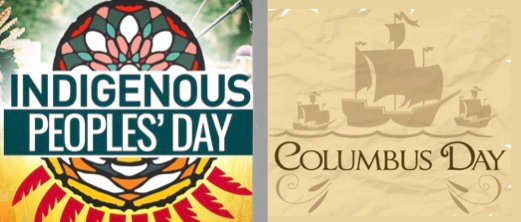
Even if you were to overlook the not-so-minor fact that millions of people were already living in the Americas in 1492, the fact is that Columbus never set foot on the shores of North America. In fact, October 12 marks the day of his arrival to the Bahamas.
While he did reach the coasts of what today are Cuba, Haiti, and the Dominican Republic, as well as explore the Central and South American coasts, he never unfurled a Spanish flag in North America.
A Colony in Revolt
In May 1498, Columbus sailed west across the Atlantic for the third time. He visited Trinidad and the South American mainland before returning to the ill-fated Hispaniola settlement, where the colonists had staged a bloody revolt against the Columbus brothers’ mismanagement and brutality. Conditions were so bad that Spanish authorities had to send a new governor to take over.
Meanwhile, the native Taino population, forced to search for gold and to work on plantations, was decimated (within 60 years after Columbus landed, only a few hundred of what may have been 250,000 Taino were left on their island). For his clumsy mismanagement, Columbus was arrested and returned to Spain in chains.
In 1502, cleared of the most serious charges but stripped of his noble titles, the aging Columbus persuaded the Spanish crown to pay for one last trip across the Atlantic. This time, Columbus made it all the way to Panama—just miles from the Pacific Ocean—where he had to abandon two of his four ships after damage from storms and hostile natives. Empty-handed, the explorer returned to Spain, where he died in 1506.
Message Thread

« Index